
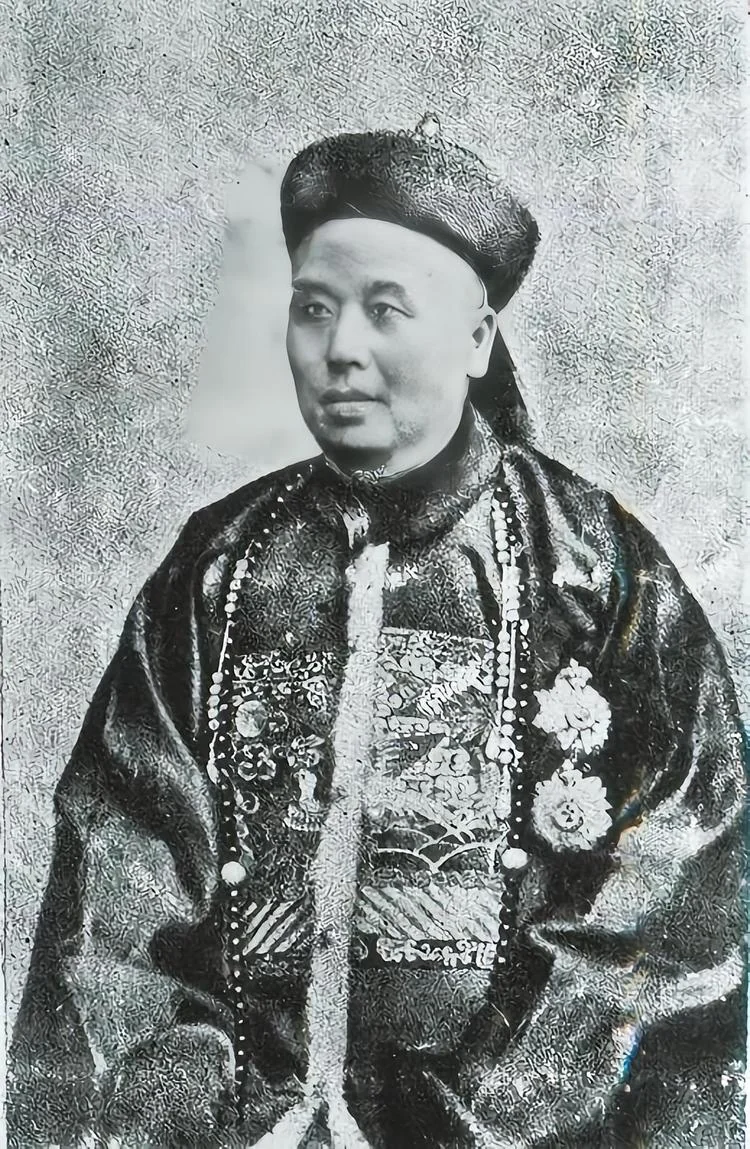
Late-Qing Macau's wealthiest merchant and holder of the fantan gambling tax-farm. From New Hui refugee to merchant prince, his residence — the Lou Kau Mansion — remains one of the most iconic Chinese houses in Macau's UNESCO Historic Centre.
From New Hui refugee to wealthiest merchant in Macau — Lou Wa Siu left a courtyard at the heart of the UNESCO district that still carries his ambition.
Lou Wa Siu (commonly known as Lou Kau) was late-Qing Macau's wealthiest merchant and holder of the fantan gambling tax-farm. From refugee origins to merchant prince, his residence — the Lou Kau Mansion — remains one of the most iconic Chinese houses in Macau's UNESCO Historic Centre.
Profile
- Chinese Name: 盧華紹 (commonly known as 盧九)
- English Name: Lou Wa Siu (also Lou Kau)
- Region: Macao
- Domains: Business · Philanthropy
- Industry: Gambling tax-farm · Banking · Real estate · Shipping
- Subject type: Historical figure · Merchant
Principal Roles
- Concessionaire of fantan and pak-kop-piu gambling taxes
- Founder of the Lou Kau Banking House
- Patron of multiple Chinese charities and free schools
Career
I. From New Hui to Macau
Born in New Hui, Guangdong in 1837, Lou Kau fled to Macau as a refugee in the 1860s and built up small businesses before accumulating real capital.
II. Farming the gambling taxes
Under the Portuguese administration's tax-farming system, Lou Kau acquired the fantan and pak-kop-piu concessions, becoming the largest Chinese merchant of late-Qing Macau.
III. Cross-sector expansion
Gambling-tax revenues were reinvested into banking, pawnbroking, real estate, and shipping, forming a cross-industry network. He completed the Lou Kau Mansion in 1889 — today one of the most intact Chinese mansions in Macau.
IV. Family litigation and tragedy
In 1907, beset by family lawsuits over his estates, Lou Kau took his own life.
Key Achievements
- One of the most important Chinese merchants in late-Qing Macau
- Built the Lou Kau Mansion, a landmark in the UNESCO Historic Centre today
- Funded numerous Chinese charities and free schools
- Pioneered the cross-industry business group structure in modern Macau
Contribution to Macao
Lou Kau's commercial empire across gambling, finance, and real estate gave Macau's late-19th-century Chinese merchant class real economic weight to negotiate with the Portuguese administration. The Lou Kau Mansion, now managed and opened to the public by the Macao Cultural Affairs Bureau, anchors his personal story into the city's collective memory as one of the most significant Chinese-style buildings in the UNESCO Historic Centre.