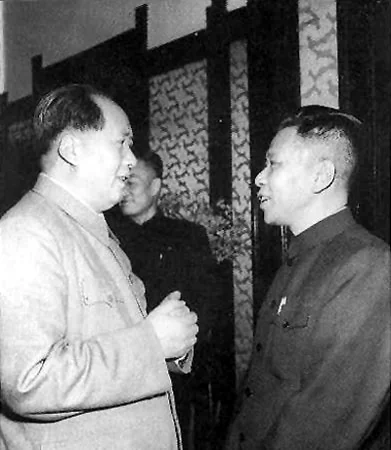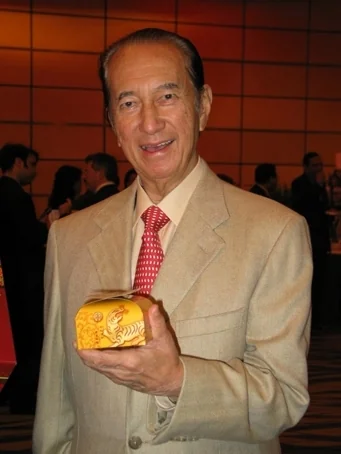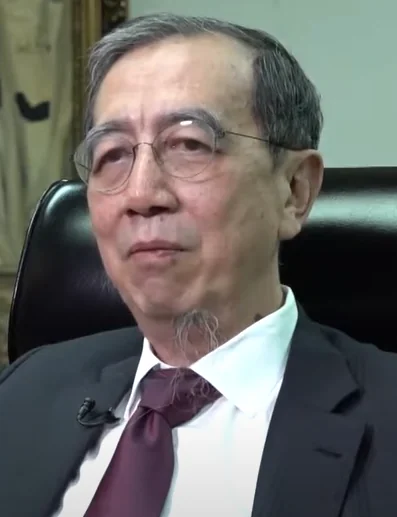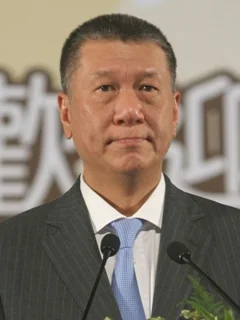
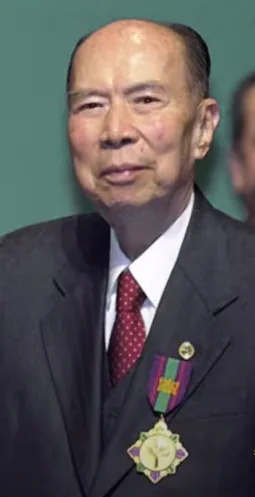
Vice-Chairman of the CPPCC and lifetime president of the Macau Chinese Chamber of Commerce. Across seven decades in business and politics, he was one of the defining patriotic merchants of the Macau handover era.
From a rice-merchant heir in Nanhai to Vice-Chairman of the CPPCC — across seventy years, Ma Man Kei wove the Macau chamber of commerce into the fabric of national governance.
Ma Man Kei was lifetime president of the Macau Chinese Chamber of Commerce and Vice-Chairman of the CPPCC. Across seven decades in business and politics, he was one of the defining patriotic merchants of Macau's handover era.
Profile
- Chinese Name: 馬萬祺
- English Name: Ma Man Kei
- Region: Macao
- Domains: Business · Politics
- Industry: Rice · Textiles · Finance
- Subject type: Historical figure · Entrepreneur
Principal Roles
- Lifetime President, Macau Chinese Chamber of Commerce
- Vice-Chairman, CPPCC National Committee (1993–2013)
- Deputy, National People's Congress (from 1959)
Career
Ma Man Kei was born in Nanhai, Guangzhou in 1919 to a merchant family, and received both classical training and a literary education in poetry.
I. Wartime move to Macau
After Hong Kong fell in 1941 he made his way to Macau and built cross-sector businesses in rice, textiles, and banking.
II. A long political career
From 1959 he served as a National People's Congress deputy and from 1993 as Vice-Chairman of the CPPCC, anchoring twenty years of high-level political engagement. Together with Ho Yin he shaped the Macau Chinese Chamber of Commerce into one of the most influential Chinese organisations of the transition.
Key Achievements
- Vice-Chairman of the CPPCC for twenty consecutive years
- Lifetime president of the Macau Chinese Chamber, shaping its institutional culture
- Championed economic and cultural exchange between Macau and the mainland
- Published multiple volumes of classical Chinese poetry
Contribution to Macao
Ma Man Kei deeply linked Macau's chamber system to the central political apparatus, giving the city's Chinese elite a stable channel into national policy during the 1980s–90s transition. His long tenure in Beijing won institutional accommodations from Basic Law drafting through post-handover personnel arrangements.