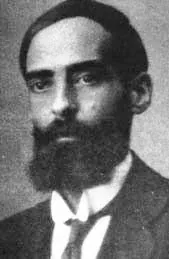
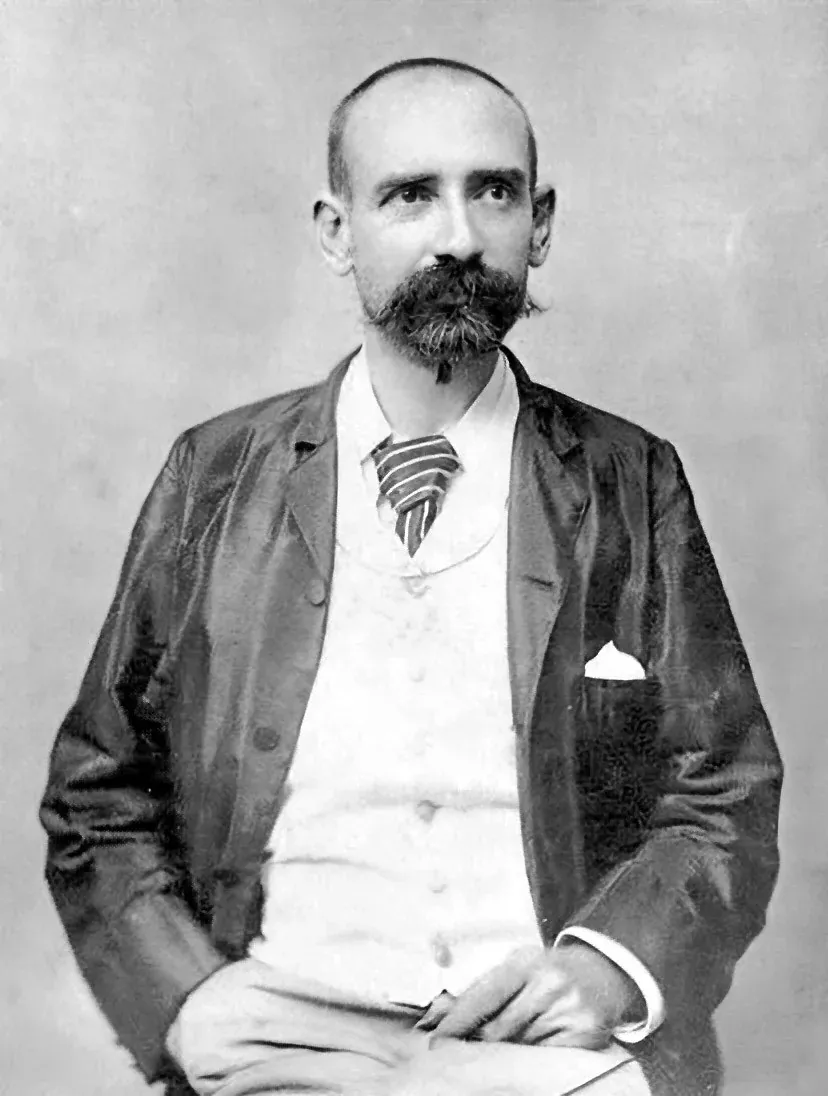
A Portuguese naval officer and writer. From 1888 to 1899 he was posted in Macau as a deputy harbour officer and taught at the seminary and the lyceum, beginning his Far East writing there. He later settled in Japan, becoming one of the Portuguese-speaking world's foremost interpreters of Japan — "the Portuguese Lafcadio Hearn".
A Portuguese writer who went from a Macau harbour to the Japanese countryside — Moraes's Far East writing began in this small city.
Wenceslau de Moraes was a Portuguese naval officer and writer. His years in Macau were the starting point of both his literary career and his lifelong bond with the East.
Profile
- Chinese Name: 慕拉士
- Portuguese Name: Wenceslau José de Sousa de Moraes
- Born: 30 May 1854 (Lisbon, Portugal)
- Died: 1 July 1929 (Tokushima, Japan)
- Domains: Culture · Literature
- Subject type: Historical figure · Naval officer · Writer
Background
Moraes was born in Lisbon in 1854 and, after joining the Portuguese navy, sailed east. In 1888 he came to Macau, beginning a bond with the Far East that would last the rest of his life.
Career
I. The Macau years (1888–1899)
In Macau, Moraes served as a deputy harbour officer and taught at St Joseph's Seminary and the Liceu. It was in Macau that he began writing prose about the East, starting Traços do Extremo Oriente and setting the course of his literary life.
II. Towards Japan
In the late 1890s Moraes moved to Japan, serving as Portuguese consul in Kobe and finally settling in Tokushima. He married a Japanese woman and immersed himself in local life, writing with delicate, devoted prose about Japan's seasons, faith and folk life — "the Portuguese Lafcadio Hearn", one of the Portuguese-speaking world's foremost interpreters of Japan.
Key Achievements
- Posted in Macau 1888–1899 as deputy harbour officer; taught at the seminary and the Liceu
- Began his Far East writing in Macau (Traços do Extremo Oriente)
- One of the foremost interpreters of Japan in Portuguese ("the Portuguese Lafcadio Hearn")
- Macau's Avenida de Venceslau de Morais is named after him
Information compiled from publicly available sources (Wikipedia, the Macau Virtual Library and Lusophone literary scholarship). If anything is inaccurate or needs updating, please contact us — we aim to respond within 48 hours.