
Topics
Historical figure
Profiles tagged “Historical figure”.
31 profiles
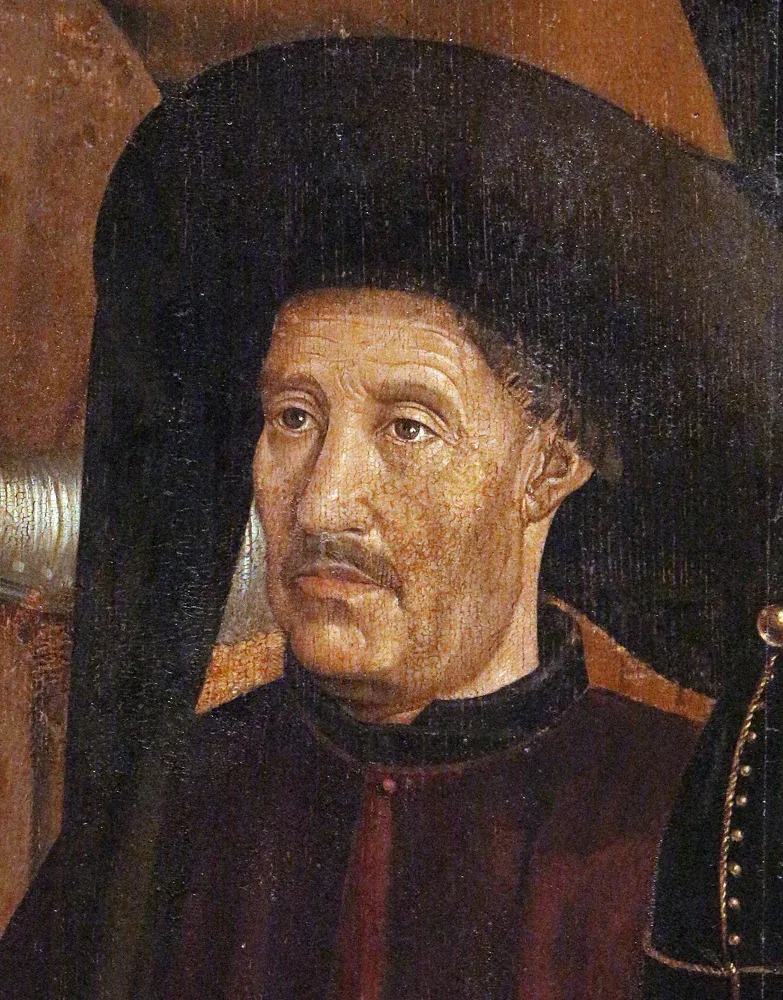
Infante Dom Henrique: the prince who set the Age of Discovery in motion
Infante Dom Henrique (Henry the Navigator)
A son of King João I of Portugal and a central figure of the Age of Discovery, he sponsored expeditions down the West African coast and championed advances in navigation. Avenida do Infante D. Henrique on the Macau peninsula was named after him in 1939.
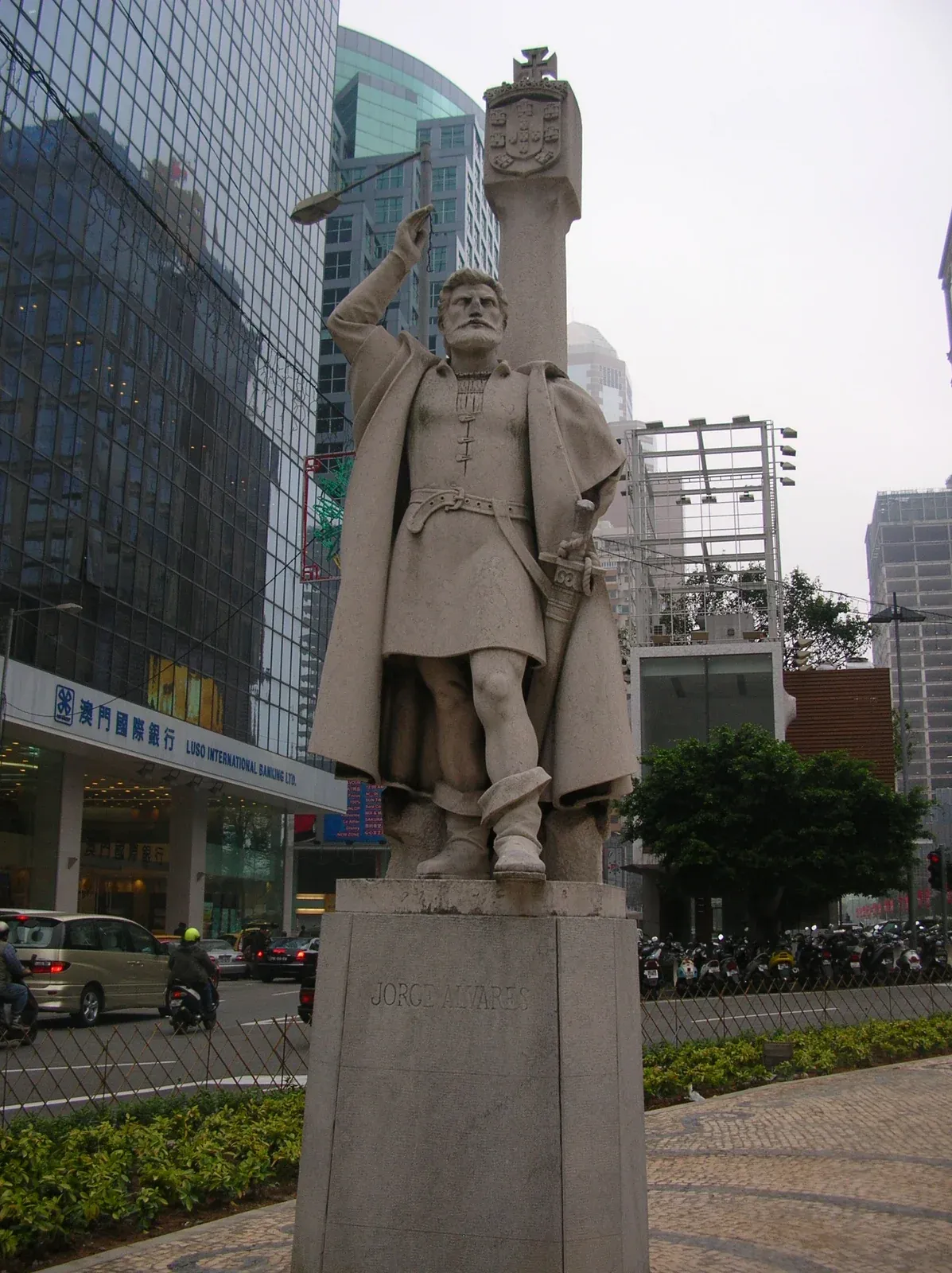
Jorge Álvares: the Portuguese navigator who reached the China coast in 1513
Jorge Álvares
A Portuguese navigator who reached the Pearl River estuary in 1513 and is regarded as among the first Portuguese to arrive in China by sea. He died near Tuen Mun on 8 July 1521. The Macau square 歐華利前地 (also rendered 區華利前地) carries his name.
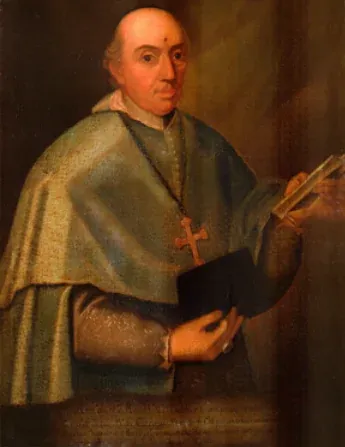
Melchior Carneiro: the Jesuit bishop who founded the Holy House of Mercy in Macau
Melchior Carneiro
A Portuguese Jesuit and bishop, regarded as the first resident bishop in the Far East. He reached Macau in 1568 and the next year (1569) founded the Holy House of Mercy (Santa Casa da Misericórdia) — Macau's oldest charitable institution, still operating today, its house part of the World Heritage Historic Centre of Macau; he also founded a hospital for the poor and a leprosarium, laying the foundations of early medical and charitable care in Macau.
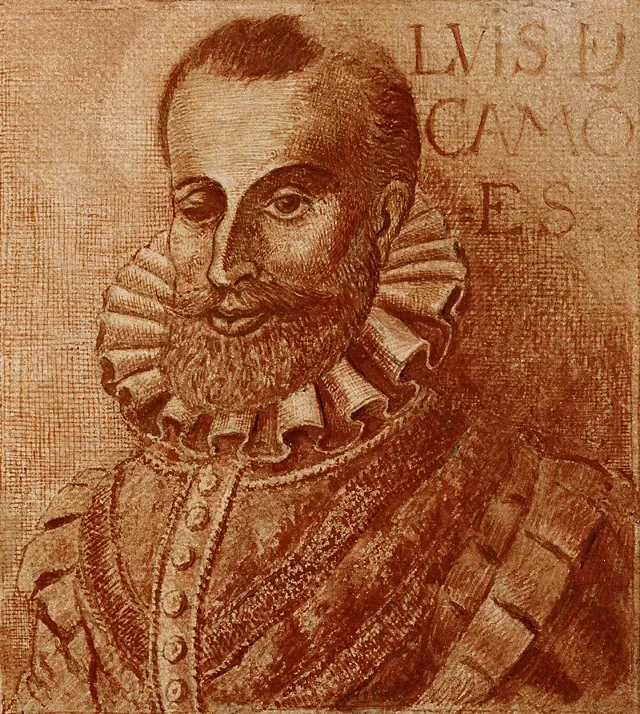
Luís de Camões: Portugal's national poet and the Macau garden that bears his name
Luís de Camões
Portugal's national poet and author of the epic Os Lusíadas (rendered in Macau as 葡國魂), regarded as a founding figure of Portuguese-language literature. Camões Garden in Macau is named after him; the well-loved story that he composed part of the epic in a grotto there is a legend, not documented fact.
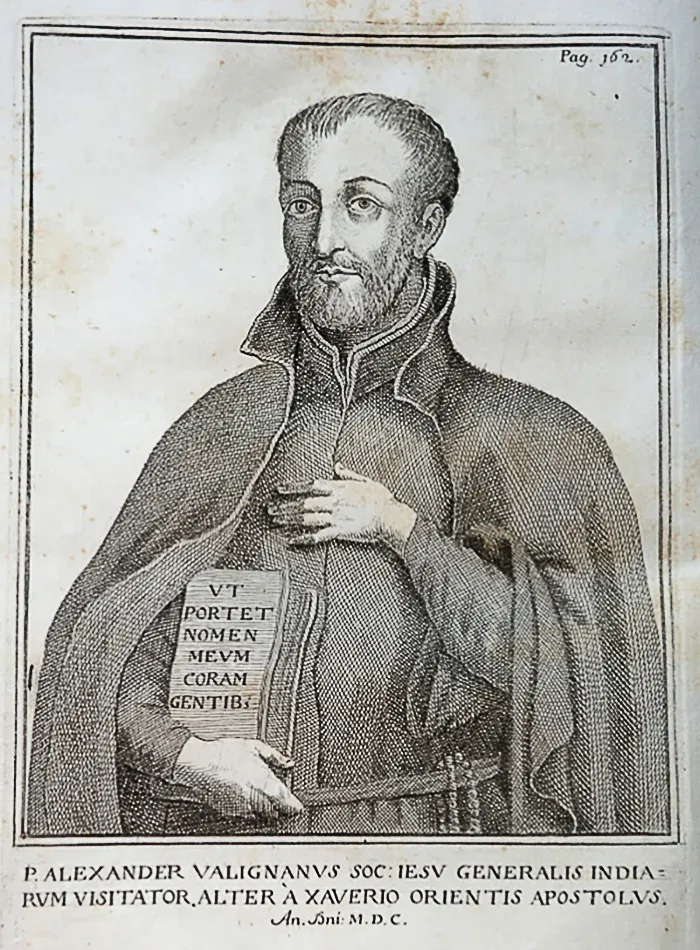
Alessandro Valignano: the Jesuit Visitor to the East Indies who made Macau a mission gateway and founded St. Paul's College
Alessandro Valignano
An Italian Jesuit and Visitor of the Society's missions in the East Indies. He reached Macau in 1578 and made the city his command centre for Jesuit work across Asia. In 1594 he founded St. Paul's College in Macau, regarded as one of the earliest Western-style colleges in East Asia. Macau's role as the gateway of the Catholic China mission is largely his doing. He died and was buried in Macau in 1606.

Michele Ruggieri: a pioneer of the China mission who began in Macau and co-authored the first Portuguese-Chinese dictionary
Michele Ruggieri
An Italian Jesuit who arrived in Macau in 1579 to study Chinese language and customs, regarded as among the pioneers of the Jesuit China mission. With Matteo Ricci he co-authored the first Portuguese-Chinese dictionary, and at Zhaoqing he printed the first book written in Chinese by a European. His path into China began in Macau, an early testament to the city's role as a mission gateway.
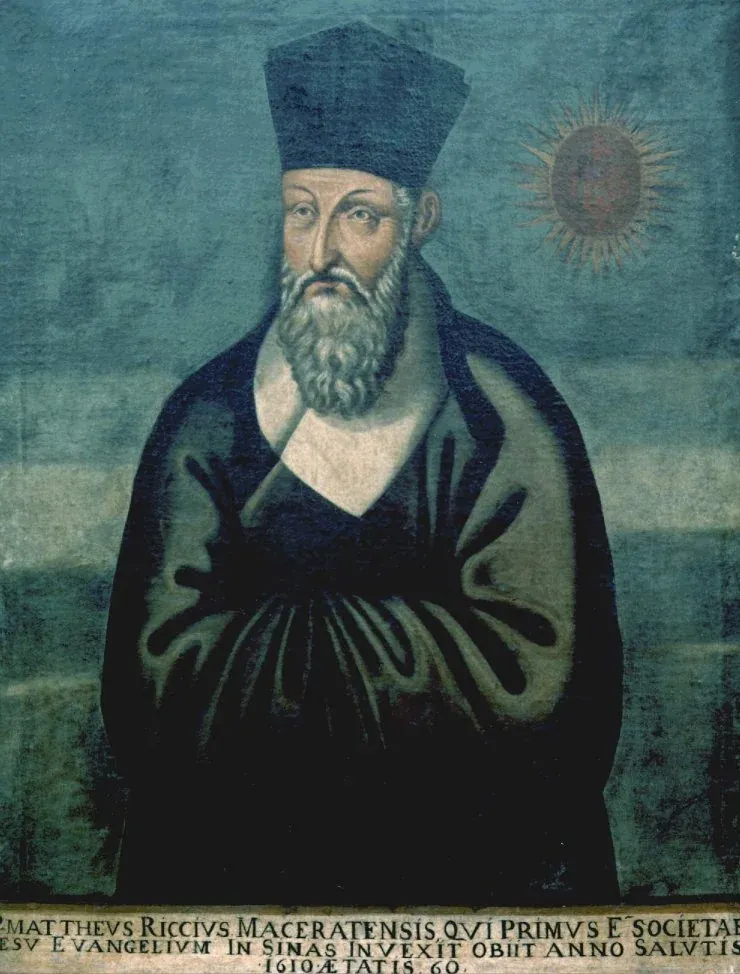
Matteo Ricci: the Jesuit who entered China by way of Macau in 1582
Matteo Ricci
An Italian Jesuit who reached Macau in August 1582, studied Chinese language and customs there, and entered mainland China from 1583. His scholarly and missionary achievements — and his fame — belong mainly to the mainland (Zhaoqing, Nanjing, Beijing). This archive frames his Macau link through the gateway of his entry into China. He died in Beijing in 1610.
João Rodrigues "Tçuzu": the Jesuit interpreter who wrote the first grammar of Japanese and spent his last years in Macau
João Rodrigues
A Portuguese Jesuit, interpreter and linguist, nicknamed "Tçuzu" (the Interpreter) for his command of Japanese. He compiled the first printed grammar of the Japanese language, a milestone of early East-West linguistics. After leaving Japan in 1610 he lived in Macau for over twenty years, teaching at St Paul's College and taking part in Sino-Portuguese diplomacy, and died and was buried in Macau.
Anders Ljungstedt: the Swedish merchant and diplomat who wrote the first history of Macau in English
Anders Ljungstedt
A Sweden-born merchant, diplomat and historian who lived in Macau for over thirty years. As Sweden's first consul-general in China, in 1832 he wrote the first history of Macau in English — An Historical Sketch of the Portuguese Settlements in China — and was the first to refute, with documents, the claim that China had formally ceded Macau to Portugal, founding English-language historiography of Macau.
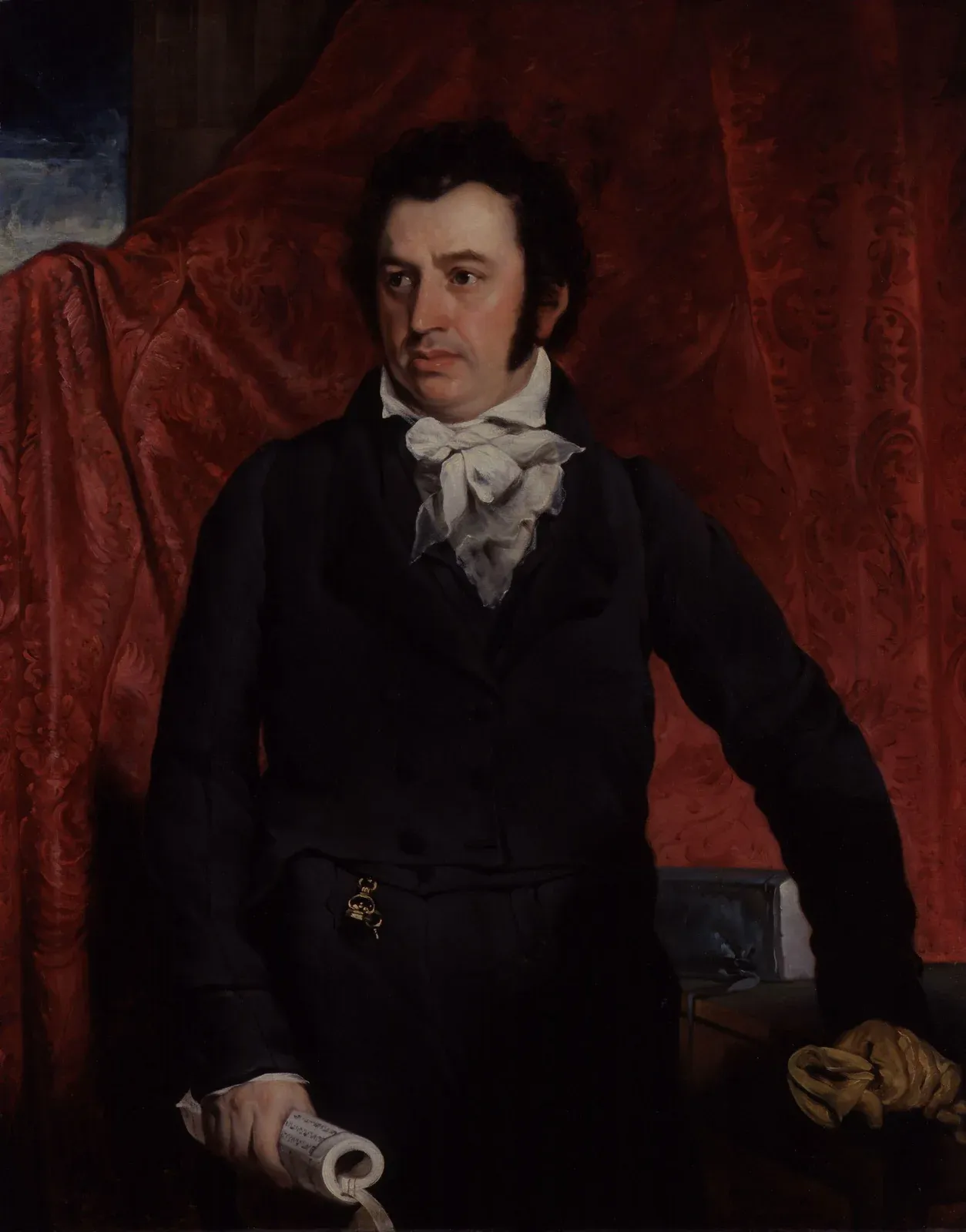
Robert Morrison: the first Protestant missionary to China, who compiled the first Chinese-English dictionary and the first Chinese Bible — and lies buried in Macau
Robert Morrison
An England-born missionary and sinologist sent by the London Missionary Society, who arrived in Macau in 1807 as the first Protestant missionary to China. Working from Macau and Canton, he single-handedly compiled the first Chinese-English dictionary, made the first complete translation of the Bible into Chinese, and served as a translator for the East India Company. He died in Canton in 1834 and is buried in the Old Protestant Cemetery in Macau.
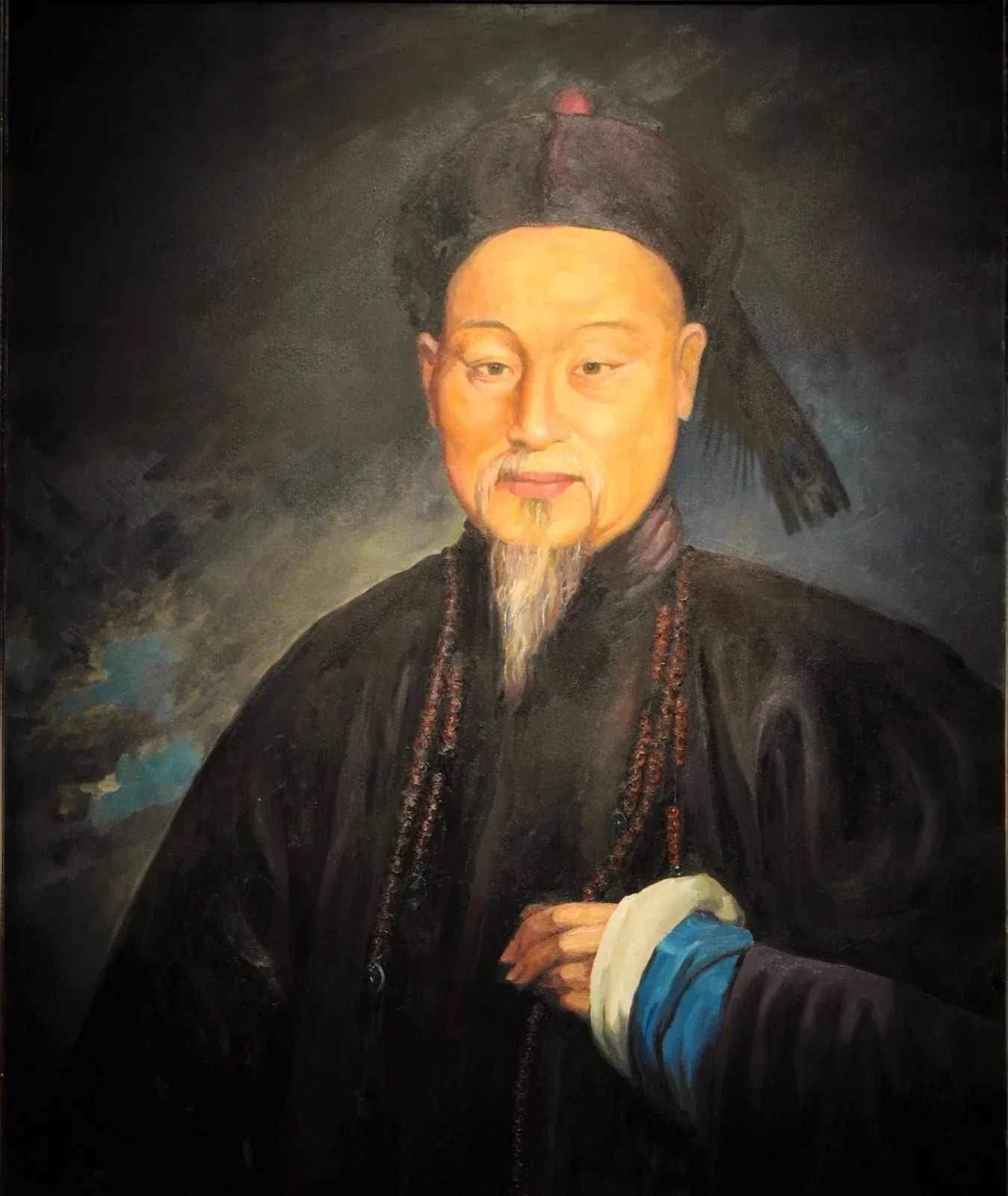
Lin Zexu: the Qing imperial commissioner of the Humen opium destruction who inspected Macau in 1839
Lin Zexu
A Qing official and statesman who served as imperial commissioner during the Opium War era. In 1839 he was sent to Guangdong to suppress the opium trade and destroyed a vast quantity of opium at Humen. On 3 September that year, accompanied by the Viceroy of Liangguang Deng Tingzhen, he inspected Macau and received Portuguese officials at Lin Fung Temple. The Lin Zexu Memorial Museum, inside Lin Fung Temple in Macau, commemorates this episode.
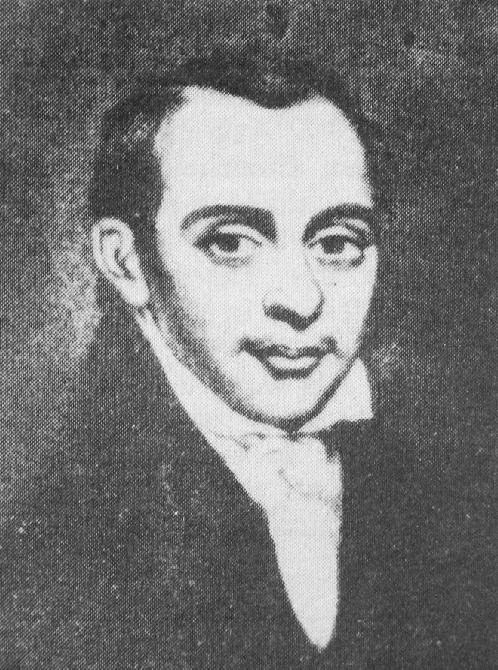
Karl Gützlaff: the Prussian missionary based in Macau and the first Lutheran missionary to China
Karl Gützlaff
A Prussia-born Protestant missionary and sinologist, known in Chinese as Guo Shili (later Guo Shila). Among the most active missionaries in China after Robert Morrison, he was based in Macau from 1831 for mission work, translation and Chinese-language publishing; his wife ran a school and a home for blind children in Macau. Multilingual and a sometime interpreter for the British, his life spanned religion, language and early modern Sino-Western relations.
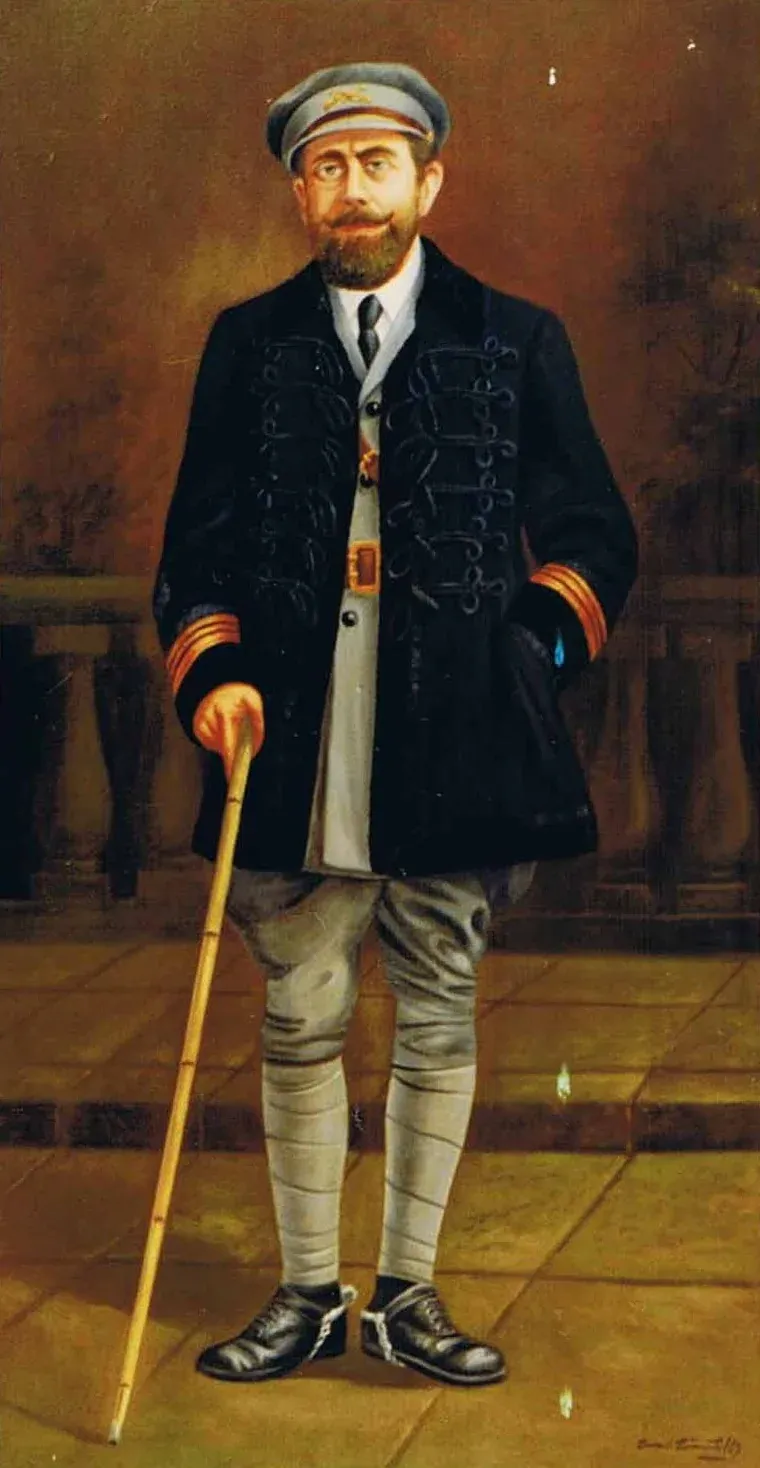
Ferreira do Amaral: the governor whose hardline rule left his name on a Macau square
João Maria Ferreira do Amaral
A Portuguese naval officer who governed Macau from 1846 to 1849, pursuing an aggressive expansionist policy. He was assassinated near the Barrier Gate in 1849. The square Praça de Ferreira do Amaral on the Macau peninsula carries his Portuguese name.
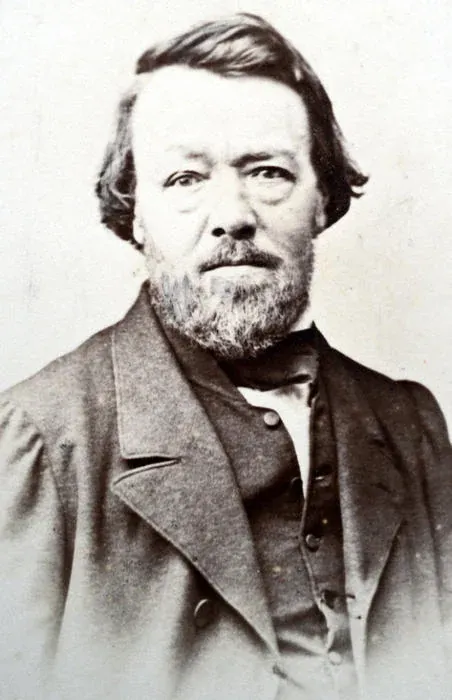
Auguste Borget: the French travelling painter who sketched Macau
Auguste Borget
A French Orientalist painter and traveller. During a journey around the world he stayed in China in 1838–1839, basing himself for several months mainly in Macau, where he associated with the English painter George Chinnery and produced many sketches and paintings of the Praia Grande, the A-Ma Temple and other scenes of Macau and southern China, later collected in albums such as Sketches of China and the Chinese.
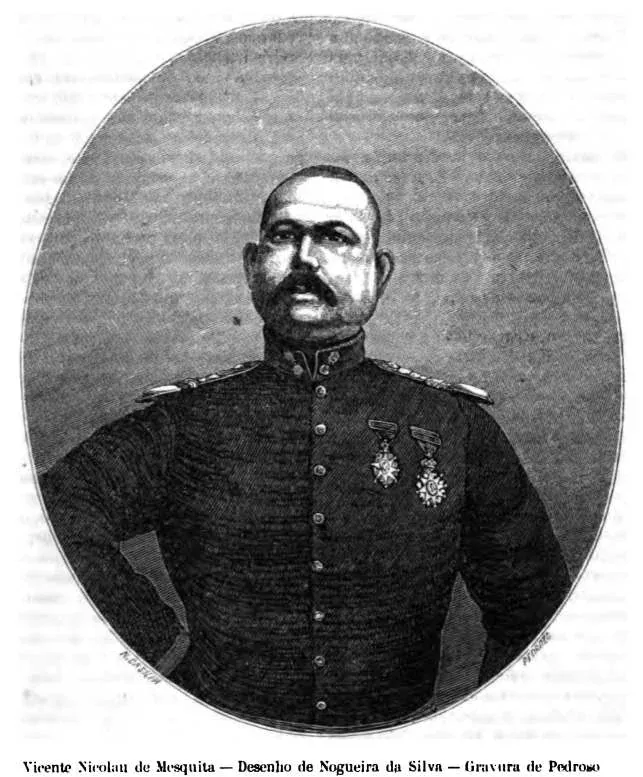
Mesquita: the Macau-born officer of the 1849 Barrier Gate clash
Vicente Nicolau de Mesquita
A Macau-born Portuguese army officer who, after the 1849 Barrier Gate incident, led a small detachment in an assault on the Baisha Ridge fort and later rose to colonel. Avenida do Coronel Mesquita carries his rank in its name.
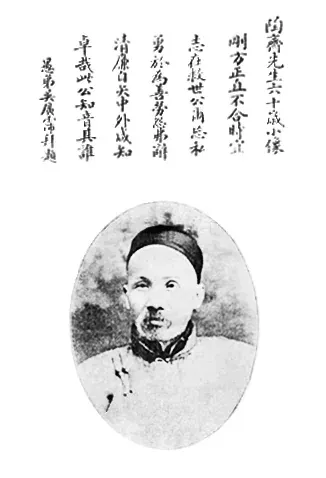
Zheng Guanying: the late-Qing reform thinker who completed《盛世危言》at the Mandarin’s House in Macau
Zheng Guanying
A late-Qing reform thinker, comprador and industrialist who worked for foreign firms and modern Chinese enterprises such as the China Merchants Steam Navigation Company. His major work《盛世危言》(Words of Warning in a Prosperous Age) argued for learning from the West to enrich and strengthen China, and was widely influential. From 1884 he retired to the Mandarin’s House (鄭家大屋) in Macau, where he revised the work that became this book. The Mandarin’s House is today part of the Historic Centre of Macao, a UNESCO World Heritage Site.
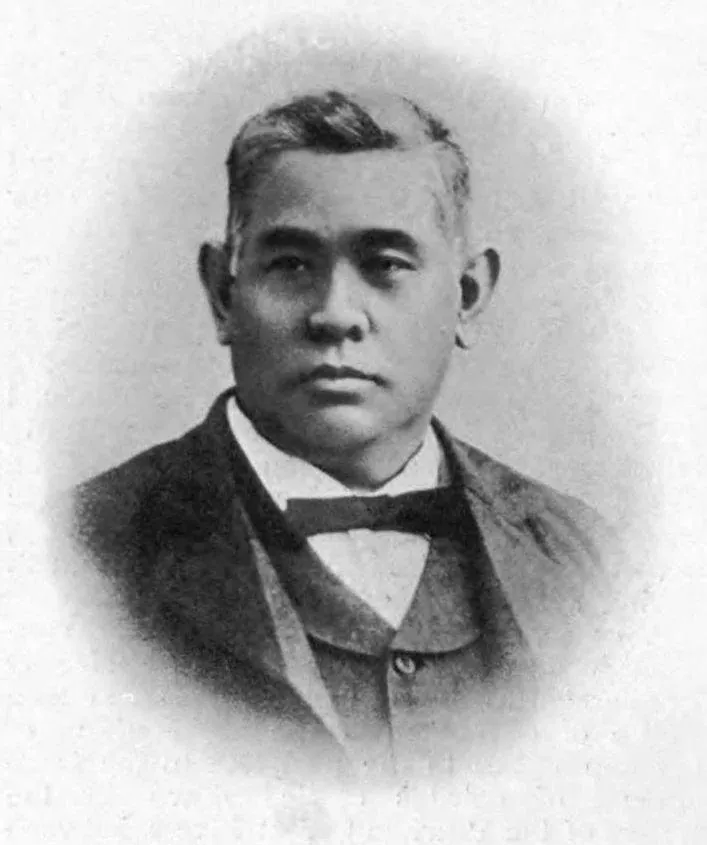
Pedro Nolasco da Silva: a Macanese leader who bridged government, translation and education
Pedro Nolasco da Silva
One of the most influential Macanese of nineteenth-century Macau — interpreter, educator and sinologist. He rose to head the Chinese Bureau, took part in signing the 1887 Sino-Portuguese Treaty of Amity and Commerce, and served as president of the Leal Senado; he also founded a commercial school and wrote textbooks, becoming a founder of Macanese education.
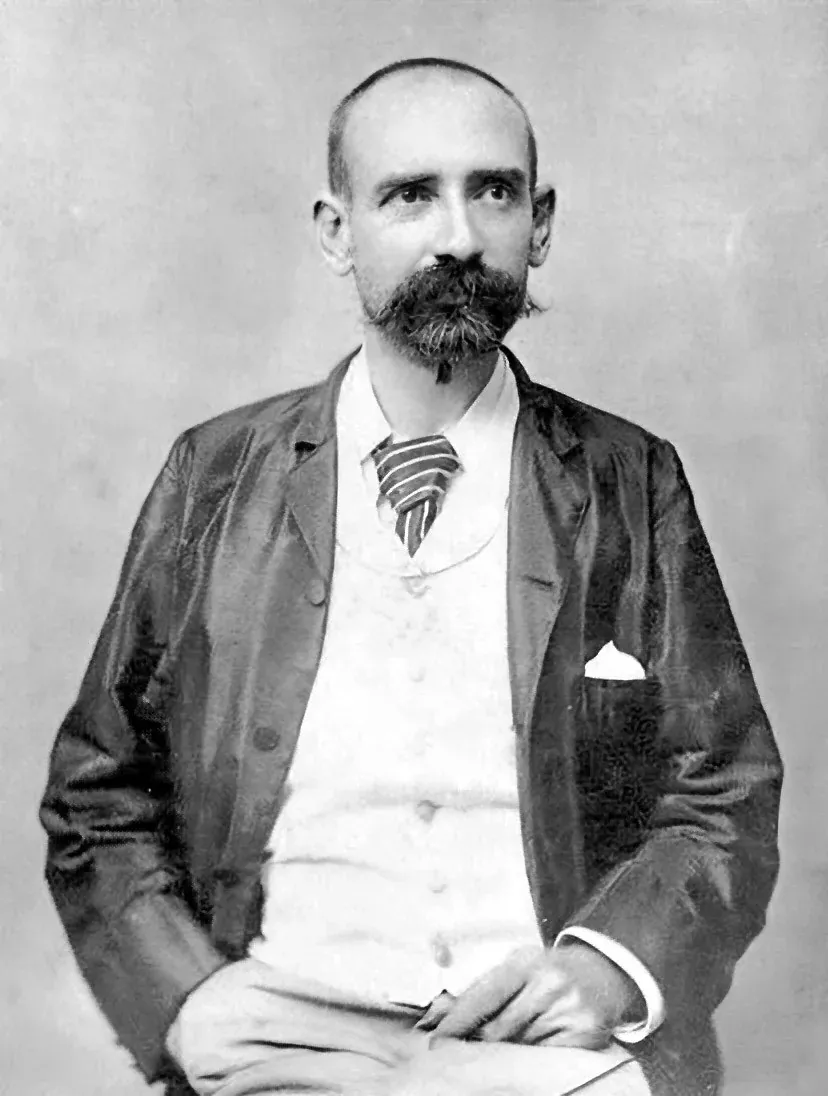
Wenceslau de Moraes: the Portuguese writer who went from Macau harbour officer to chronicler of Japan
Wenceslau de Moraes
A Portuguese naval officer and writer. From 1888 to 1899 he was posted in Macau as a deputy harbour officer and taught at the seminary and the lyceum, beginning his Far East writing there. He later settled in Japan, becoming one of the Portuguese-speaking world's foremost interpreters of Japan — "the Portuguese Lafcadio Hearn".
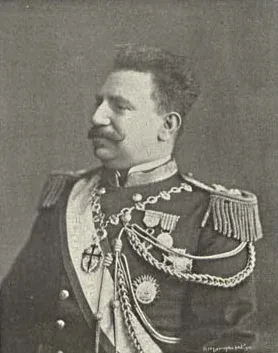
Horta e Costa: a two-term governor and the avenue renamed for how it sounded
José Maria de Sousa Horta e Costa
A Portuguese colonial official who served twice as Governor of Macau (first term 1894–1897) and later as Governor of Portuguese India. The Macau avenue named after him was originally rendered 柯高 in Chinese but later changed to 高士德 because the earlier reading sounded unflattering in Cantonese.
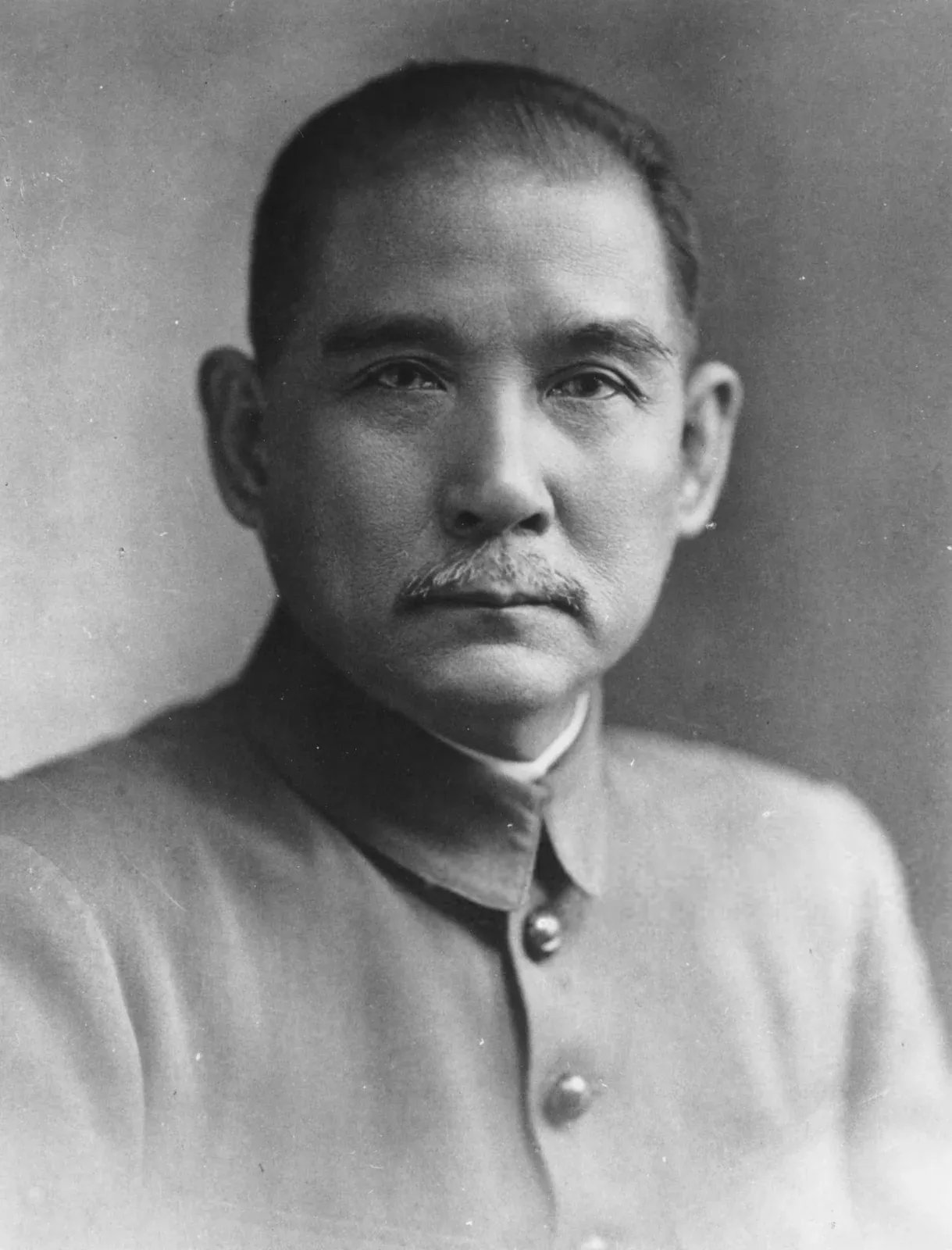
Sun Yat-sen: revolutionary pioneer and founding figure of the Republic of China who once practised medicine in Macau
Sun Yat-sen
A modern Chinese revolutionary and a founding figure of the Republic of China. After graduating from the Hong Kong College of Medicine for Chinese in 1892, he was invited to practise at Kiang Wu Hospital in Macau, regarded as the territory’s first Chinese doctor of Western medicine, and opened a Chinese-Western pharmacy. He later devoted himself to revolution, founding the Revive China Society and the Tongmenghui, and in 1912 became provisional president of the Republic of China. Macau was among the important places of his early medical practice and the stirrings of his revolutionary thought.
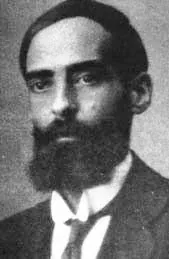
Camilo Pessanha: the Portuguese symbolist poet who spent half his life in Macau
Camilo Pessanha
A Portuguese symbolist poet, born in Coimbra in 1867, who came to Macau in 1894 to teach, headed the property registry from 1900, and died in Macau in 1926. His collection Clepsidra is a landmark of Portuguese symbolism. Rua de Camilo Pessanha — formerly 爐石塘街 — was named after him in 1926.

Rodrigo Rodrigues: the physician-governor who wrote on Macau's place in the East
Rodrigo José Rodrigues
A Portuguese military physician and politician, the 109th Governor of Macau (1923–1925). After leaving office he wrote Macau: The Portuguese Problem in the Far East. Avenida do Doutor Rodrigo Rodrigues on the peninsula is named after him.
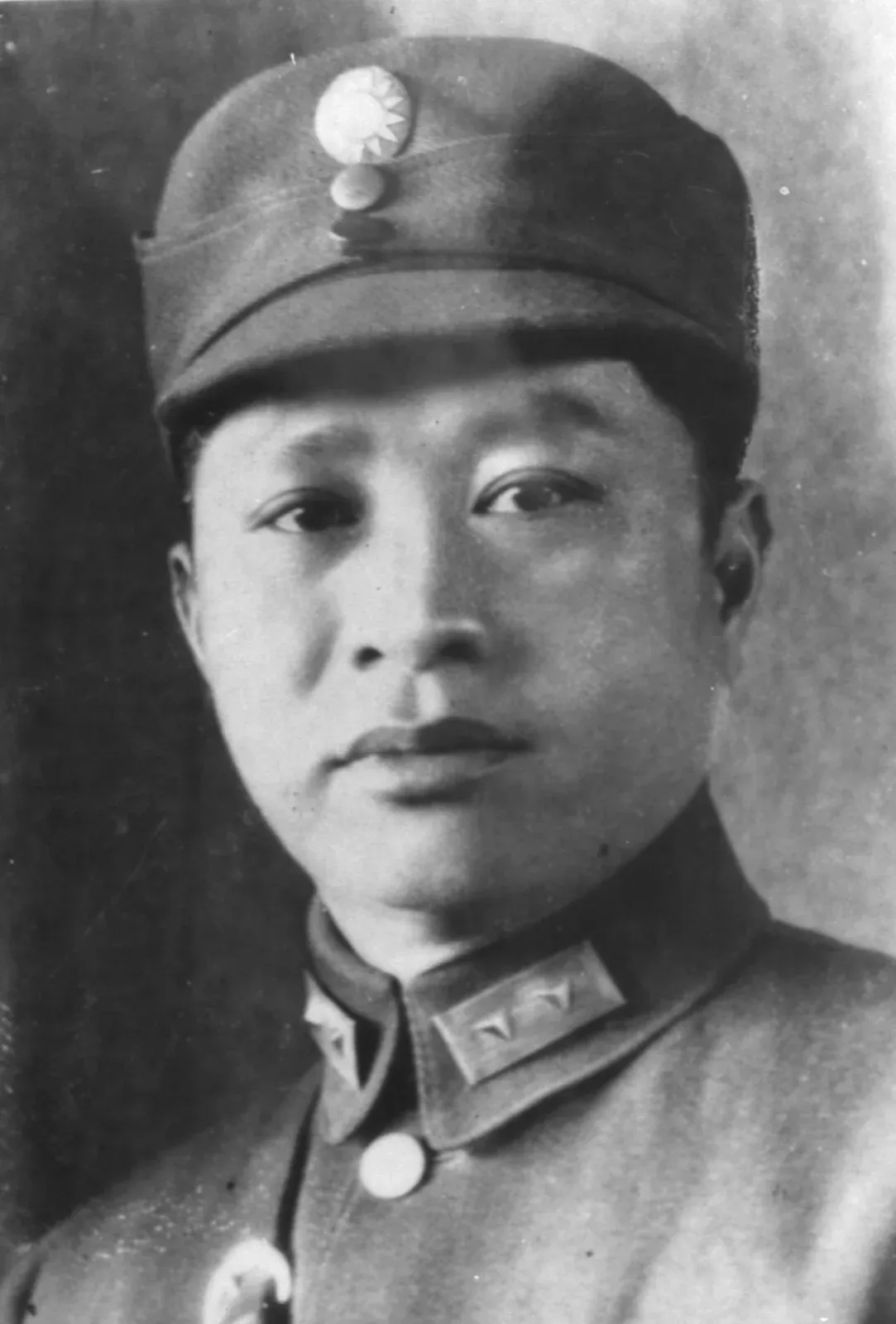
Ye Ting: New Fourth Army commander who lived for a decade on Avenida do Comandante Kou Ho Neng in Macau
Ye Ting
A modern Chinese military general known for leading the Independent Regiment during the Northern Expedition and later serving as commander of the New Fourth Army. Between 1932 and 1942 he lived with his family on Avenida do Comandante Kou Ho Neng in Macau, where several of his children were born and raised. On 8 April 1946 he died in a plane crash on his way to Yan’an. His Macau home is today preserved as General Ye Ting’s Former Residence, opened to the public in May 2014.
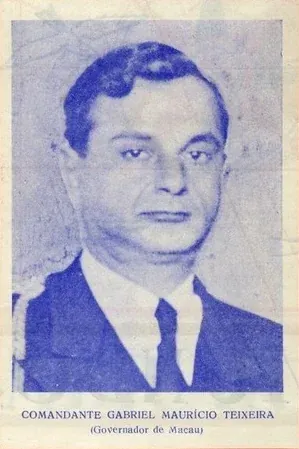
Gabriel Teixeira: the governor who steered neutral Macau through the Second World War
Gabriel Maurício Teixeira
A Portuguese soldier and colonial administrator, the 115th Governor of Macau (1940–1947). He governed neutral Macau through the Second World War, taking in vast numbers of refugees fleeing the fighting, managing famine, and negotiating with the Japanese to keep the small city stable; during his term he also abolished the opium monopoly. He later served as Governor-General of Portuguese Mozambique.
Melo Egídio: the general-governor who visited Beijing at the turn of the 1980s
Nuno Viriato Tavares de Melo Egídio
A Portuguese general and statesman who governed Macau from 1979 to 1981. During his tenure he made an invited visit to Beijing in 1980 and met Vice-Premier Deng Xiaoping to discuss Macau affairs and Sino-Portuguese relations. He later served as Chief of the General Staff of the Armed Forces.
Carlos Melancia: the engineer-governor whose tenure ended in resignation
Carlos Montez Melancia
A Portuguese engineer and politician who became Governor of Macau in 1987 and advanced infrastructure including the new airport. He resigned in 1990 amid a controversy over an airport consultancy contract, with Rocha Vieira succeeding him in 1991; he was later acquitted in the courts.
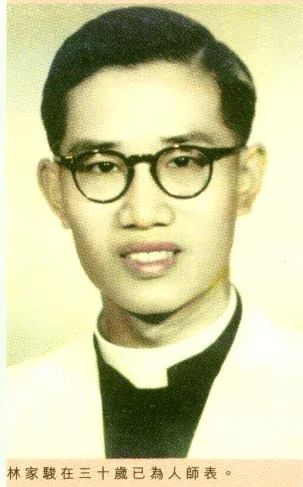
Domingos Lam: the first Chinese bishop of the Diocese of Macau, who led the see across the 1999 handover
Domingos Lam Ka Tseung
The first Chinese-born bishop of the Roman Catholic Diocese of Macau. Appointed Coadjutor Bishop of Macau in 1987, he succeeded the last Portuguese bishop, Arquimínio Rodrigues da Costa, in October 1988 and retired in 2003. He led the diocese for fifteen years, including across the 1999 transition of Macau from Portuguese to Chinese administration. He died in 2009, aged 81.
Pinto Machado: the physician-professor who served a brief governorship
Joaquim Germano Pinto Machado Correia da Silva
A Portuguese medical professor and politician who became Governor of Macau in May 1986, serving about a year until 1987. His brief tenure fell in the early transition period around the Sino-Portuguese Joint Declaration. He returned to academia after leaving office.
Almeida e Costa: the rear-admiral governor of the early 1980s
Vasco Fernando Leote de Almeida e Costa
A Portuguese rear admiral who governed Macau from 1981 to 1986. Before his posting he had served as Minister of Internal Administration and briefly as interim Prime Minister of Portugal in 1976. His tenure advanced the modernisation of Macau.
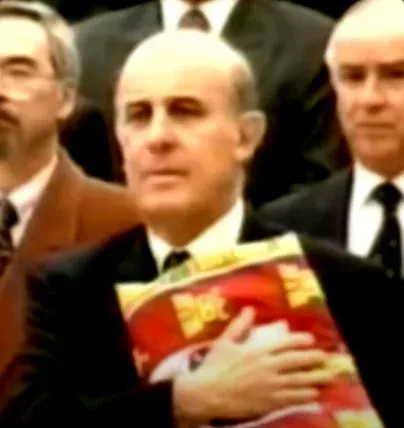
Rocha Vieira: the last Portuguese Governor of Macau, who oversaw the 1999 handover
Vasco Joaquim Rocha Vieira
A general of the Portuguese Army who governed Macau from 1991 to 1999, the last Portuguese Governor of Macau. His tenure spanned the transition period and concluded with the handover of Macau on 20 December 1999.
Garcia Leandro: the post-Carnation-Revolution governor who drafted the Organic Statute
José Eduardo Martinho Garcia Leandro
A Portuguese lieutenant-general who became Governor of Macau (1974–1979) after the 1974 Carnation Revolution. During his tenure he drew up the Organic Statute of Macau, approved by Portuguese legislation in 1976, which reclassified Macau as a "Chinese territory under Portuguese administration".