
Topics
Macanese
Profiles tagged “Macanese”.
12 profiles
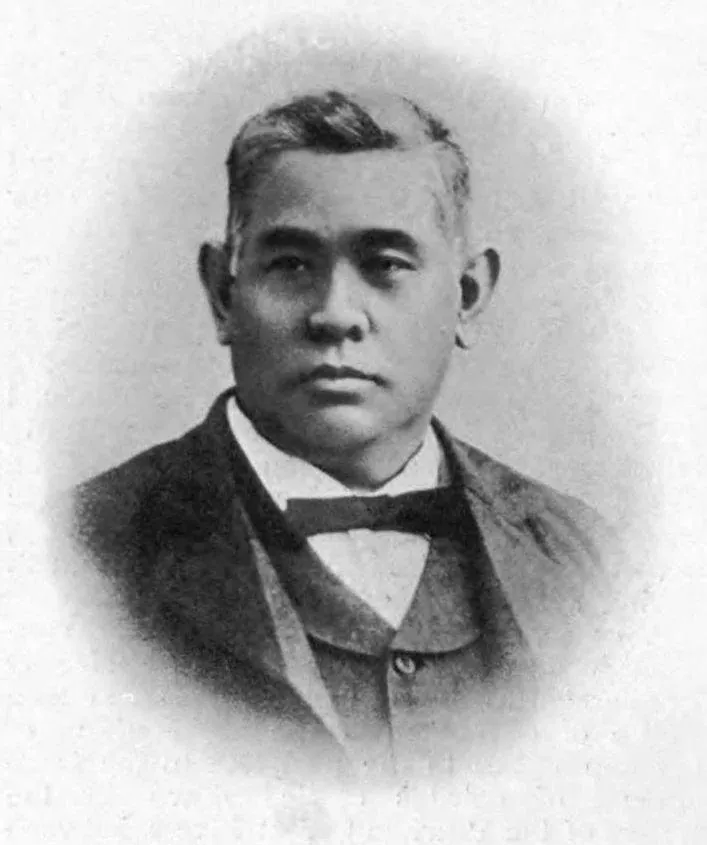
Pedro Nolasco da Silva: a Macanese leader who bridged government, translation and education
Pedro Nolasco da Silva
One of the most influential Macanese of nineteenth-century Macau — interpreter, educator and sinologist. He rose to head the Chinese Bureau, took part in signing the 1887 Sino-Portuguese Treaty of Amity and Commerce, and served as president of the Leal Senado; he also founded a commercial school and wrote textbooks, becoming a founder of Macanese education.
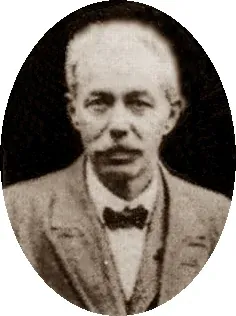
Manuel da Silva Mendes: the Portuguese scholar, jurist, and Chinese-art collector who made Macau home
Manuel da Silva Mendes
Manuel da Silva Mendes (1867–1931) was a Portuguese scholar, lawyer, and collector of Chinese art who lived in Macau from 1901. He taught at the Liceu de Macau and twice served as interim rector, practised law, served as judge and prosecutor, and presided over the Leal Senado. An early systematic collector of Chinese art whose collection helped form the Luís de Camões Museum, he was also a pioneer in introducing Taoist thought and Chinese culture to the Portuguese-speaking world.
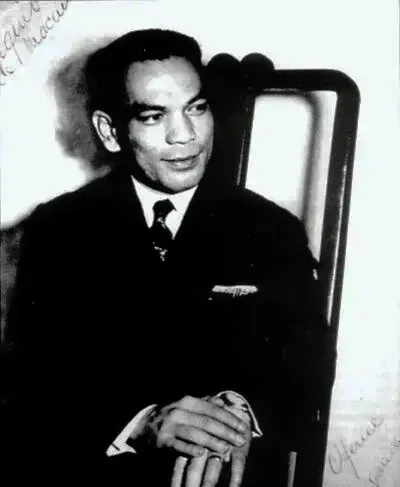
Luís Gonzaga Gomes: the Macanese sinologist and translator who chronicled Macau
Luís Gonzaga Gomes
Luís Gonzaga Gomes (1907–1976) was a Macanese sinologist, historian, translator, and teacher. Fluent in Cantonese and steeped in Chinese culture, he produced works such as the Bibliografia Macaense that remain essential references for the study of Macau's history, and he is regarded as a leading figure of Sino-Portuguese cultural exchange. A street and a school in Macau bear his name.

Deolinda da Conceição: Macau's pioneering Macanese woman writer and journalist
Deolinda da Conceição
Deolinda da Conceição (1913–1957) is regarded as Macau's first Macanese woman writer and journalist. Writing in Portuguese, she ran a women's column in a Macau newspaper. In 1956 she published her only book, the short-story collection Cheong-Sam — A Cabaia, centred on the fate and suffering of Chinese women, regarded as a pioneering work of Macanese Portuguese-language literature.

Adé: the last poet of distinction to write in Macanese patuá
José dos Santos Ferreira (Adé)
José dos Santos Ferreira (known as Adé, 1919–1993) was a Macanese poet and writer. He spent his life writing poetry, prose, plays, and radio works in Macanese patuá — a creole based on Portuguese and mixing in Cantonese and other elements — and is regarded as the last poet of distinction to write in the language. His works include Macau sa Assi (1968) and Poéma di Macau (1983); a bronze statue in Macau commemorates him.
Henrique de Senna Fernandes: the Macanese novelist who chronicled the city in fiction
Henrique de Senna Fernandes
Henrique de Senna Fernandes (1923–2010) was a Macanese writer and lawyer. He studied law at the University of Coimbra in Portugal and wrote in Portuguese, setting much of his work in the Macau of the 1930s and 1940s and portraying the lives of the territory's mixed-race community. His novels A Trança Feiticeira (The Bewitching Braid) and Amor e Dedinhos de Pé were both adapted into films. Regarded as a guardian of Macau's memory, he received an honorary doctorate from the University of Macau in 2006.
Carlos d'Assumpção: the Macanese leader who chaired the Legislative Assembly for sixteen years
Carlos d'Assumpção
Carlos d'Assumpção (1929–1992) was a Macanese lawyer and political leader. From 1976 until his death in 1992 he served as President of the Legislative Assembly of Macau — sixteen years in the chair. He co-founded the Association for the Defense of Macau Interests (1974) and sat on the drafting committee for the Macau Basic Law. The NAPE thoroughfare Alameda Dr. Carlos d'Assumpção (宋玉生廣場) bears his name.
Jorge Fão: the community leader who speaks for the Macanese and retired civil servants
Jorge Fão
Jorge Fão (b. 1947) is a Macanese community leader and former legislator. He was among the founders of the Macau Civil Servants Association (ATFPM) in 1987 and served as its president; in 2001 he founded the Association for Retirees and Pensioners of Macau (APOMAC) and chairs its General Assembly. That same year he was elected to the Legislative Assembly for one term. He has long advocated for the Macanese community and retired civil servants.
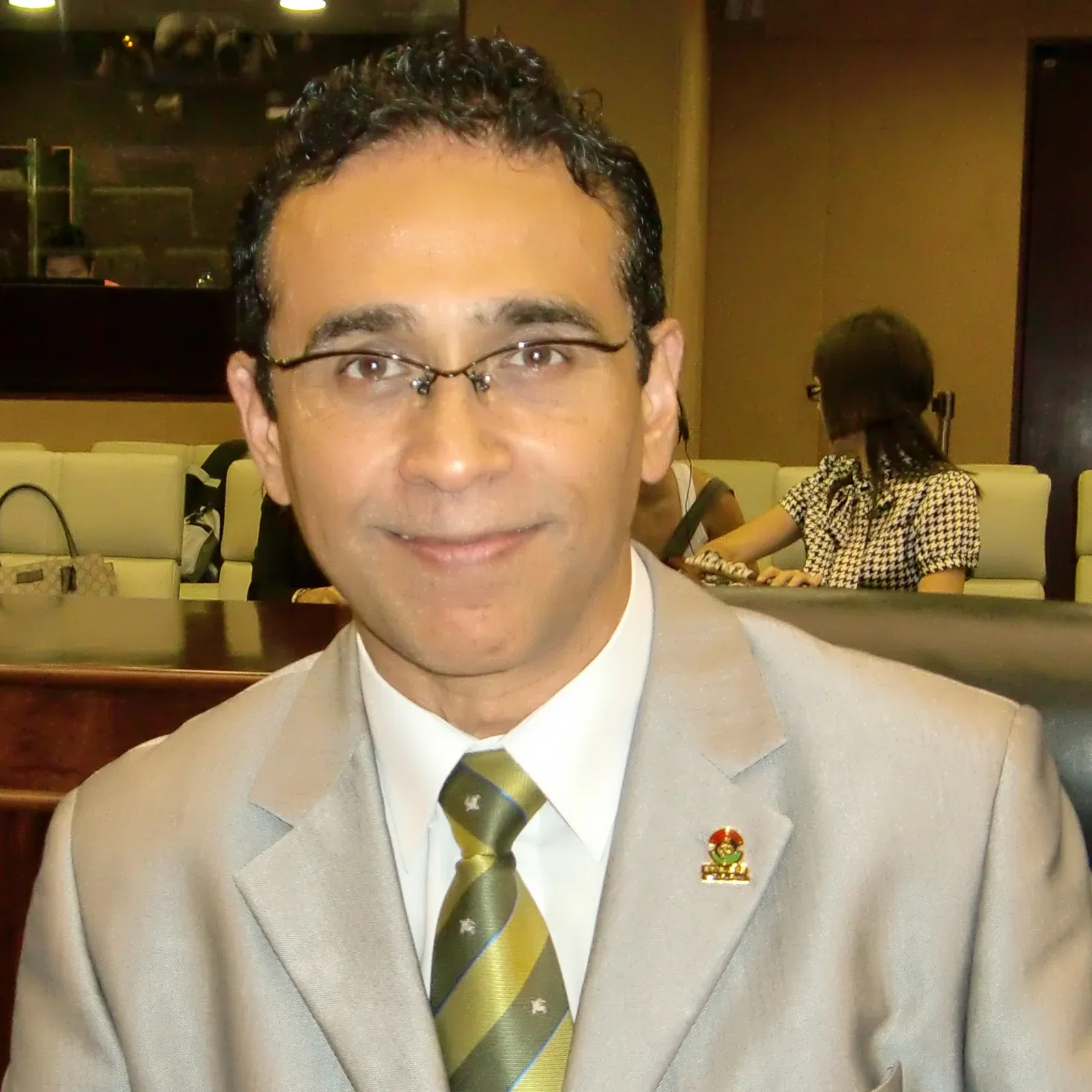
José Pereira Coutinho: the Macanese legislator who leads the public servants association
José Pereira Coutinho
José Pereira Coutinho (b. 1957) is a Macanese legislator and association leader. Since 1998 he has been president of the Macau Civil Servants Association (ATFPM), the territory's largest body defending the interests of public servants. First directly elected to the Legislative Assembly in 2005 and re-elected since, he is known for advocating the rights of civil servants and trade-union association.
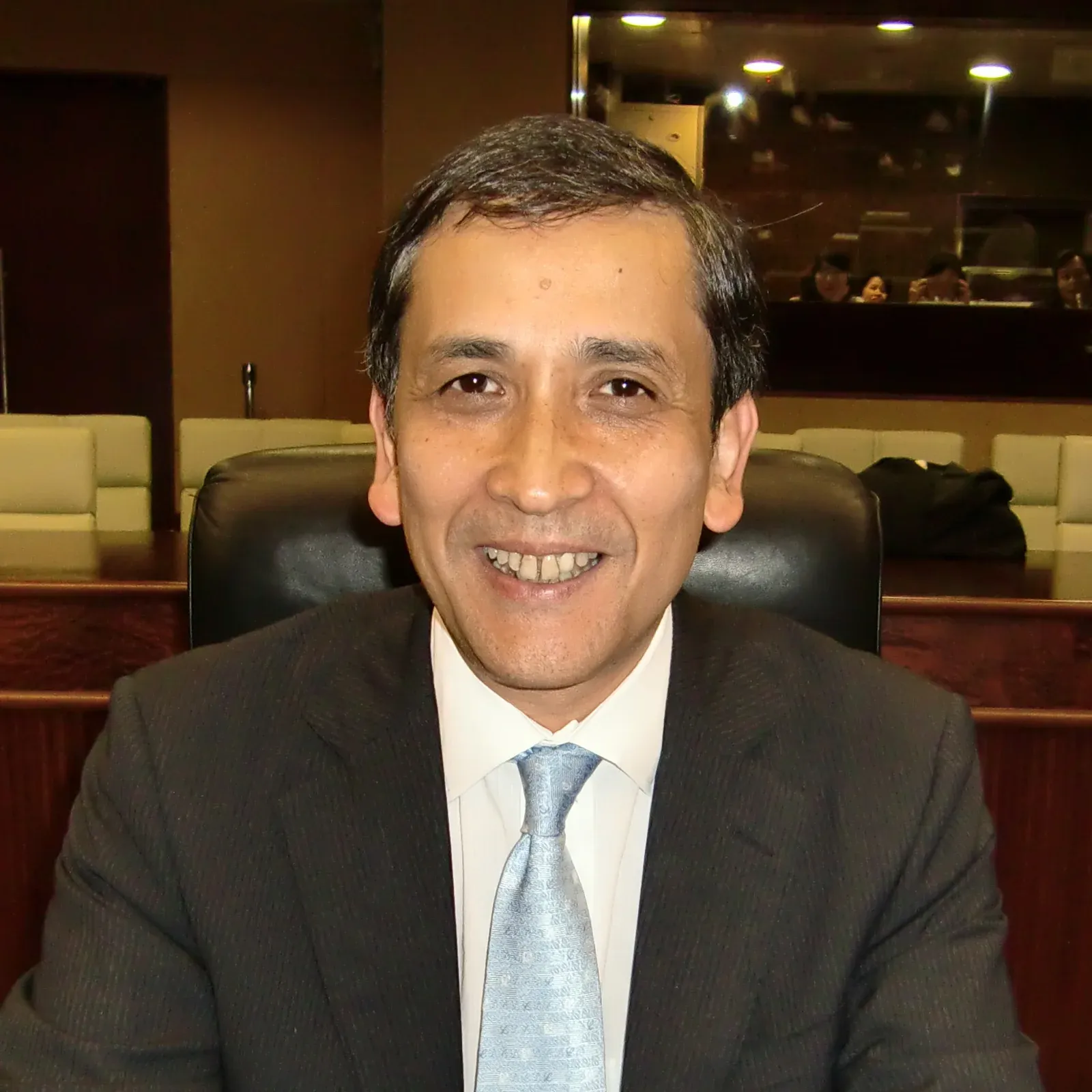
Leonel Alves: the Macanese lawyer and veteran legislator who spanned the handover
Leonel Alberto Alves
Leonel Alberto Alves (b. 1957) is a Macanese lawyer and politician. He served in the Legislative Assembly of Macau from 1984 until 2017 — across the 1999 handover — and was First Secretary of the Assembly. He was deputy director of the Macau Basic Law Consultative Committee, a member of the SAR Preparatory Committee and the first Government Selection Committee, joined the Executive Council in 2005 (reappointed under the new government in 2024), and became a member of the national CPPCC in 2008.
Carlos Marreiros: the Macanese architect, painter, and heritage advocate
Carlos Marreiros
Carlos Marreiros (b. 1957, Macau) is a Macanese architect, urban planner, painter, and cultural figure. A graduate of the Lisbon fine-arts academy's architecture department, he has designed buildings across Macau, Hong Kong, and Portugal and was responsible for the Macau Pavilion at Shanghai Expo 2010. A long-standing advocate for Macau's heritage, he turned the Holy House of Mercy's Albergue SCM into a cultural and arts venue, and stands as a leading figure of Sino-Portuguese cultural exchange.
Miguel de Senna Fernandes: the lawyer and playwright keeping patuá alive
Miguel de Senna Fernandes
Miguel de Senna Fernandes (b. 1961, Macau) is a Macanese lawyer, playwright, and theatre director, and the son of writer Henrique de Senna Fernandes. He has practised law since 1989 and served as a notary public since 1995. He writes and directs for Dóci Papiaçám di Macau, a troupe that performs entirely in Macanese patuá — an endangered Portuguese-based creole — working to preserve the language and the community's culture; the troupe's theatre has been listed as Macau intangible cultural heritage since 2012.