
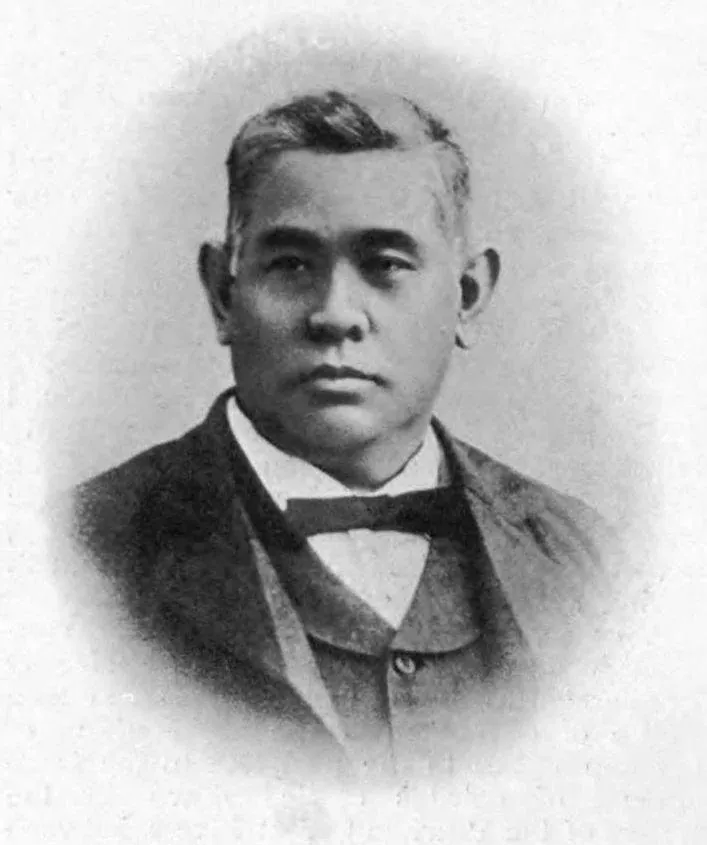
One of the most influential Macanese of nineteenth-century Macau — interpreter, educator and sinologist. He rose to head the Chinese Bureau, took part in signing the 1887 Sino-Portuguese Treaty of Amity and Commerce, and served as president of the Leal Senado; he also founded a commercial school and wrote textbooks, becoming a founder of Macanese education.
A Macanese who stood both at the Sino-Portuguese negotiating table and at the front of a classroom — Pedro Nolasco da Silva joined government, translation and education into one line.
Pedro Nolasco da Silva was one of the most influential Macanese of nineteenth-century Macau.
Profile
- Chinese Name: 伯多祿·施利華
- Portuguese Name: Pedro Nolasco da Silva
- Born: 6 May 1842 (Macau)
- Died: 12 October 1912 (Macau)
- Domains: Culture · Politics · Education
- Subject type: Macanese · Interpreter · Educator · Sinologist
Background
Pedro Nolasco da Silva was born in Macau in 1842 into the Macanese community. He learned Chinese from a young age and began as a student-interpreter; his command of Portuguese and Chinese, and his grasp of Chinese culture, carried him into the heart of Macau's government.
Career
I. The Chinese Bureau and the Sino-Portuguese Treaty
Silva rose to head the Chinese Bureau (1885–1892), managing affairs between the Macau-Portuguese government and the Chinese community. In 1887 he accompanied the Portuguese envoy Tomás de Sousa Rosa to Beijing and, on 1 December that year, took part in signing the Sino-Portuguese Treaty of Amity and Commerce. He also served as president of the Leal Senado, a leading figure in the Macau politics of his day.
II. Education and sinology
Silva valued Macanese education all his life. In 1871 he co-founded the Macanese education-promotion association (APIM); in 1878 he founded a commercial school as its first principal, later named the Pedro Nolasco Commercial School. He wrote Chinese-language textbooks and taught Chinese at St Joseph's Seminary, becoming a founder of Macanese education and sinology.
Key Achievements
- Head of the Chinese Bureau (1885–1892); signed the 1887 Sino-Portuguese Treaty of Amity and Commerce
- President of the Leal Senado
- Co-founded the Macanese education-promotion association (APIM), 1871
- Founded a commercial school (later the Pedro Nolasco Commercial School), 1878, as first principal
- Wrote Chinese-language textbooks; a noted sinologist