Between Two Worlds
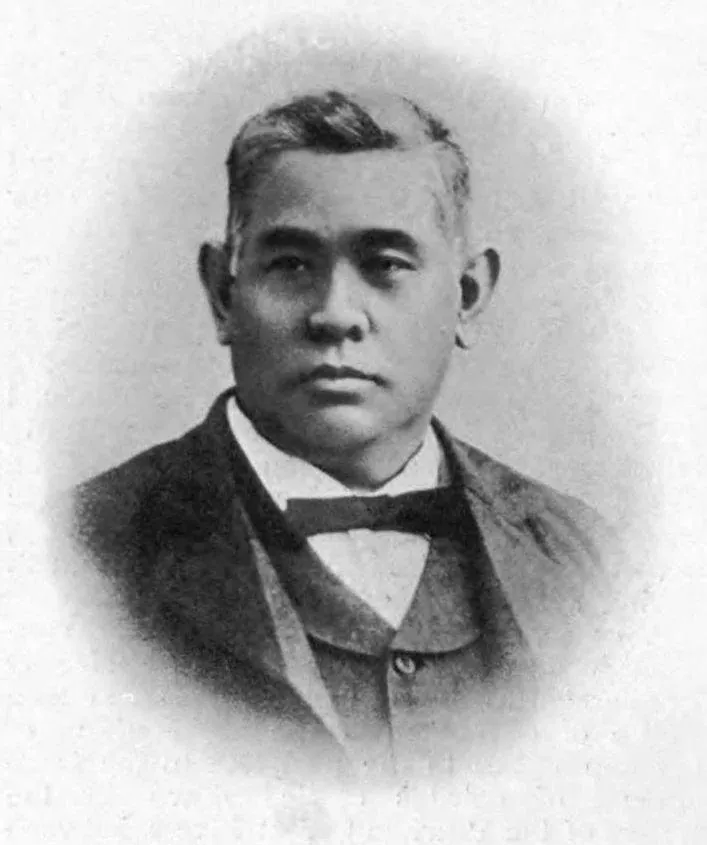
The Macanese are one of Macau's most distinctive cultural markers: often of Portuguese descent yet deeply rooted in Chinese soil, speaking Cantonese, Portuguese, and even their own creole, Patuá. In politics and law, Carlos d'Assumpção 宋玉生 · Carlos d'AssumpçãoCarlos d'Assumpção (1929–1992) was a Macanese lawyer and political leader. From 1976 until his death in 1992 he served as President of the Legislative Assembly of Macau — sixteen years in the chair. He co-founded the Association for the Defense of Macau Interests (1974) and sat on the drafting committee for the Macau Basic Law. The NAPE thoroughfare Alameda Dr. Carlos d'Assumpção (宋玉生廣場) bears his name.Read profile → served as President of the Legislative Assembly in the Portuguese era; Leonel Alves
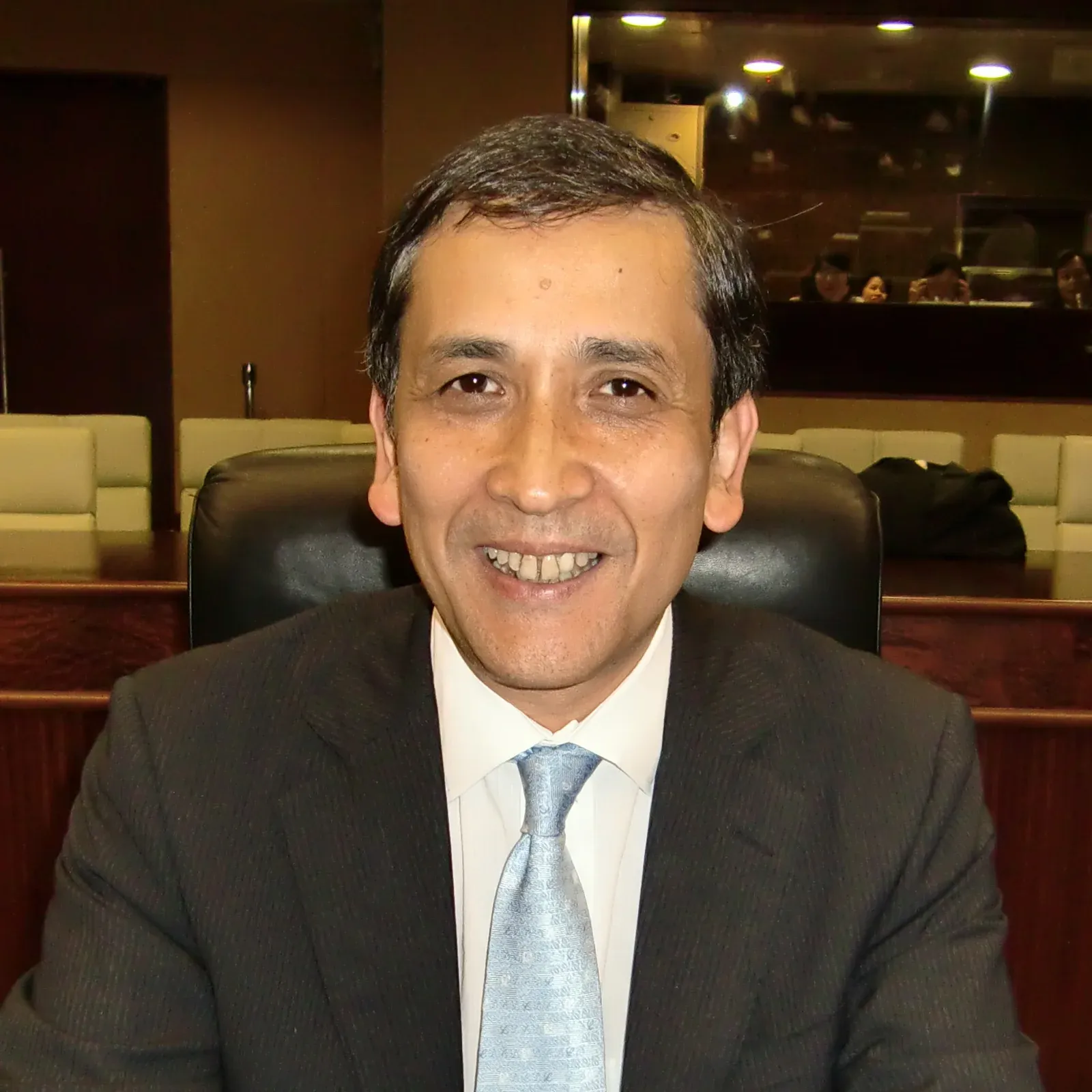 歐安利 · Leonel Alberto AlvesLeonel Alberto Alves (b. 1957) is a Macanese lawyer and politician. He served in the Legislative Assembly of Macau from 1984 until 2017 — across the 1999 handover — and was First Secretary of the Assembly. He was deputy director of the Macau Basic Law Consultative Committee, a member of the SAR Preparatory Committee and the first Government Selection Committee, joined the Executive Council in 2005 (reappointed under the new government in 2024), and became a member of the national CPPCC in 2008.Read profile → is a veteran lawyer and legislator; and José Pereira Coutinho
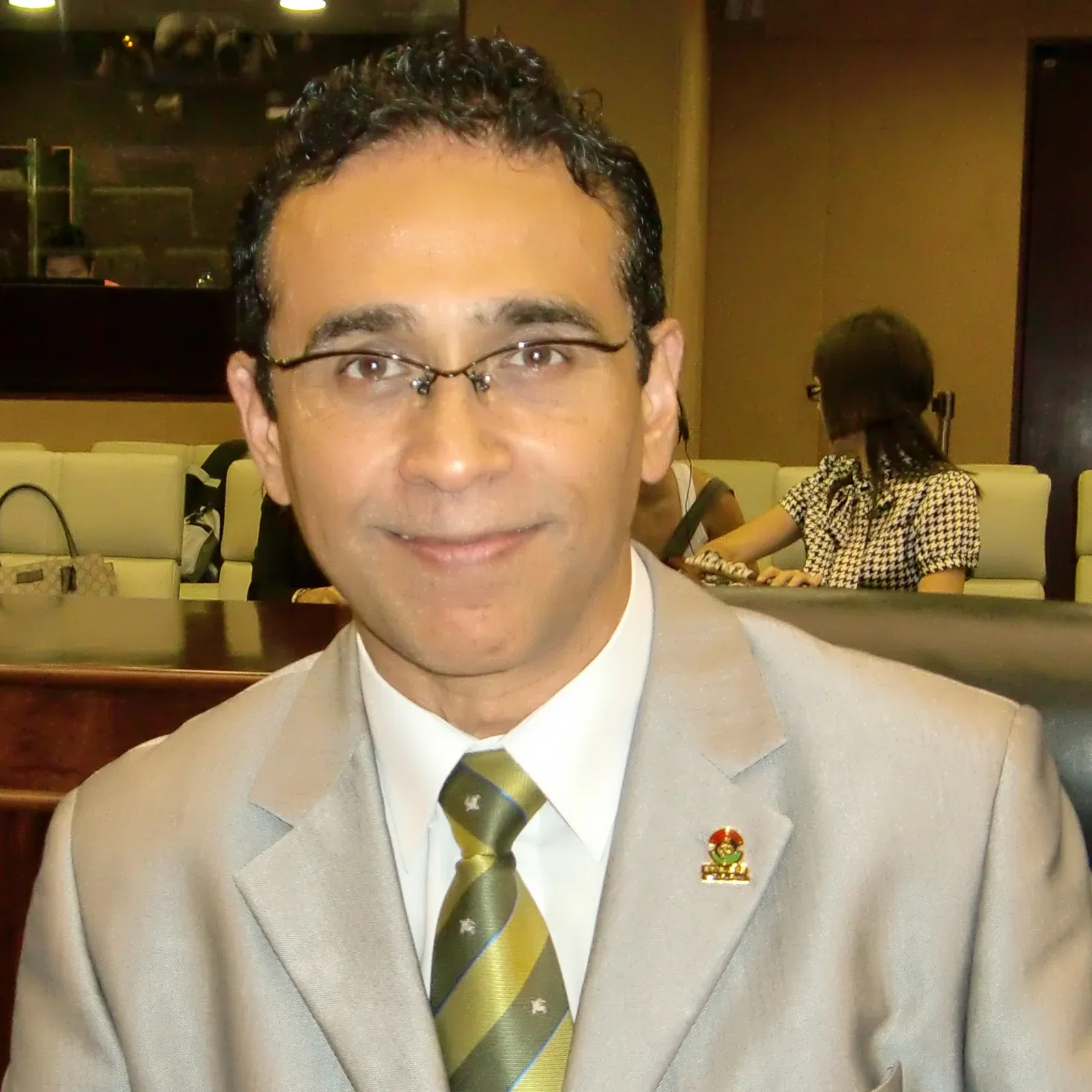 高天賜 · José Pereira CoutinhoJosé Pereira Coutinho (b. 1957) is a Macanese legislator and association leader. Since 1998 he has been president of the Macau Civil Servants Association (ATFPM), the territory's largest body defending the interests of public servants. First directly elected to the Legislative Assembly in 2005 and re-elected since, he is known for advocating the rights of civil servants and trade-union association.Read profile → and Jorge Fão飛文基 · Jorge FãoJorge Fão (b. 1947) is a Macanese community leader and former legislator. He was among the founders of the Macau Civil Servants Association (ATFPM) in 1987 and served as its president; in 2001 he founded the Association for Retirees and Pensioners of Macau (APOMAC) and chairs its General Assembly. That same year he was elected to the Legislative Assembly for one term. He has long advocated for the Macanese community and retired civil servants.Read profile → have long spoken for civil servants and the community.
In letters and history, Luís Gonzaga Gomes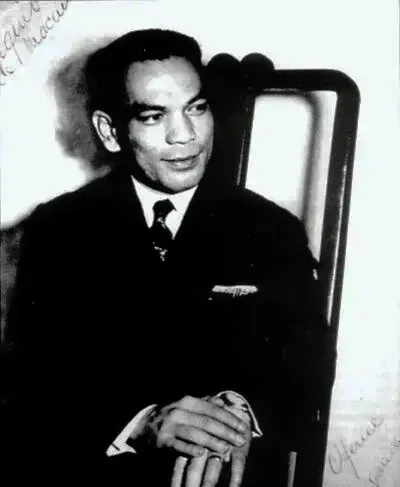 高美士 · Luís Gonzaga GomesLuís Gonzaga Gomes (1907–1976) was a Macanese sinologist, historian, translator, and teacher. Fluent in Cantonese and steeped in Chinese culture, he produced works such as the Bibliografia Macaense that remain essential references for the study of Macau's history, and he is regarded as a leading figure of Sino-Portuguese cultural exchange. A street and a school in Macau bear his name.Read profile → chronicled Macau through sinology and translation, and the collection of Manuel da Silva Mendes
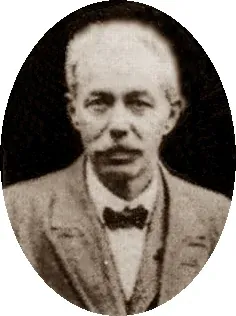 文第士 · Manuel da Silva MendesManuel da Silva Mendes (1867–1931) was a Portuguese scholar, lawyer, and collector of Chinese art who lived in Macau from 1901. He taught at the Liceu de Macau and twice served as interim rector, practised law, served as judge and prosecutor, and presided over the Leal Senado. An early systematic collector of Chinese art whose collection helped form the Luís de Camões Museum, he was also a pioneer in introducing Taoist thought and Chinese culture to the Portuguese-speaking world.Read profile → laid the foundation of the Camões Museum. On screen, Michelle Reis
 李嘉欣 · Michelle ReisA Macau-born Macanese actress who in 1988 won both the Miss Hong Kong title and the inaugural Miss Chinese International crown. Celebrated as one of the most beautiful pageant winners, she went on to a prominent film career in 1990s Hong Kong cinema.Read profile → and Isabella Leong
 梁洛施 · Isabella LeongA Macau-born Macanese actress and singer of English-Portuguese-Chinese descent who built her career in Hong Kong. In 2007 she won Best Actress at Portugal's Fantasporto film festival for the film Isabella — a rare Hong Kong star honoured at a Portuguese-language festival.Read profile → carried Macanese faces into Chinese-language cinema.
An Identity of Their Own
This series presents the Macanese across politics, law, letters, and entertainment — helping readers understand how a people who are neither purely Portuguese nor purely Chinese, yet who love Macau deeply, have lived out an identity all their own.